
Handicap Vehicles: The Complete NYC Guide to Accessible Transportation in 2026
In a city as large, fast-paced, and diverse as New York City, transportation access is not a luxury, it is a necessity. For millions of residents, visitors, seniors, and people living with disabilities, handicap vehicles are the foundation of safe, independent, and dignified mobility. As NYC continues to evolve in 2026, the demand for dependable, inclusive transportation has never been higher.
This guide explains everything you need to know about handicap vehicles, how they work, who relies on them, and why they matter so much in modern urban life. Whether you are a patient, caregiver, healthcare coordinator, or family member, understanding accessible transportation empowers you to make better mobility decisions.
What Are Handicap Vehicles?
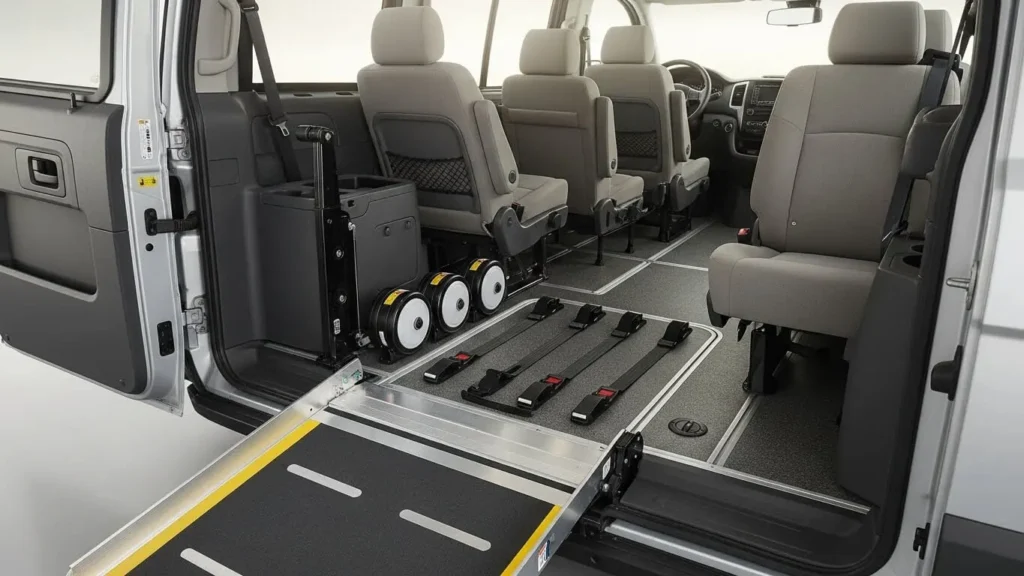
Handicap vehicles are specially designed or modified transportation vehicles that accommodate passengers with limited mobility. Unlike standard taxis or rideshare cars, these vehicles are built with safety, space, and accessibility as their primary purpose.
In NYC, handicap vehicles typically include:
- Wheelchair-accessible vans
- Ambulettes
- Medical transport vans
- Specialized mobility vans
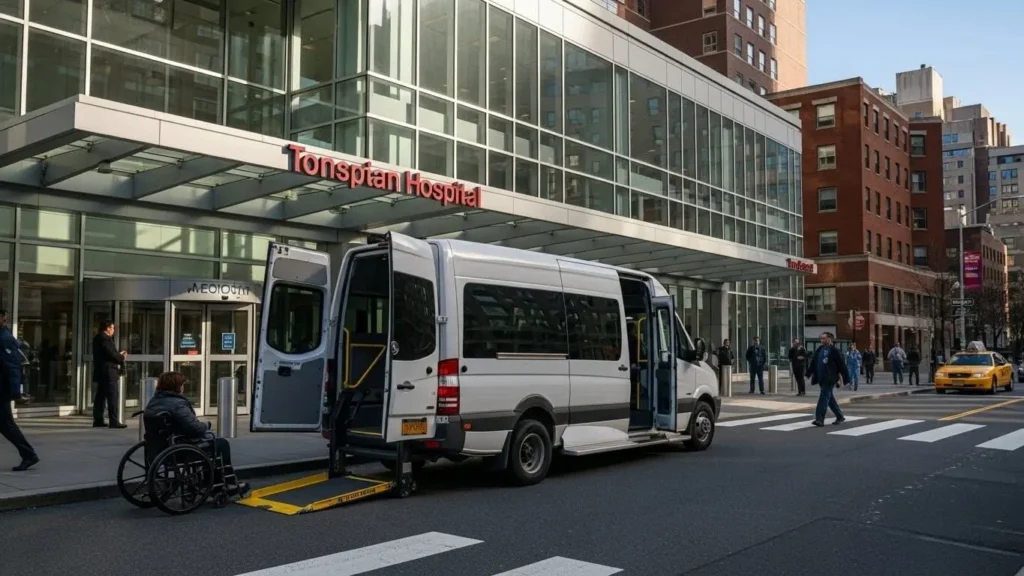
They feature ramps or lifts, wide doorways, secure wheelchair restraints, and trained drivers who assist passengers respectfully and professionally.
Why Handicap Vehicles Matter in NYC
New York City presents unique challenges: crowded streets, vertical living, unpredictable weather, and long travel distances between boroughs. For someone using a wheelchair or mobility aid, navigating these conditions without proper transportation can be stressful or even dangerous.
Handicap vehicles bridge the gap between independence and accessibility by offering:
- Door-to-door service
- Safe boarding and exiting
- Comfortable seating and securement
- Consistent availability across boroughs
They are essential for doctor visits, dialysis, rehabilitation appointments, airport transfers, and everyday errands.
Who Relies on Handicap Vehicles?
The need for handicap vehicles spans across many communities, including:
- Wheelchair users
- Seniors with limited mobility
- Patients recovering from surgery
- Individuals with chronic conditions
- People requiring assisted transportation
Caregivers and medical professionals also depend on these services to ensure patients arrive safely and on time.
Understanding Handicap Accessible Vehicles
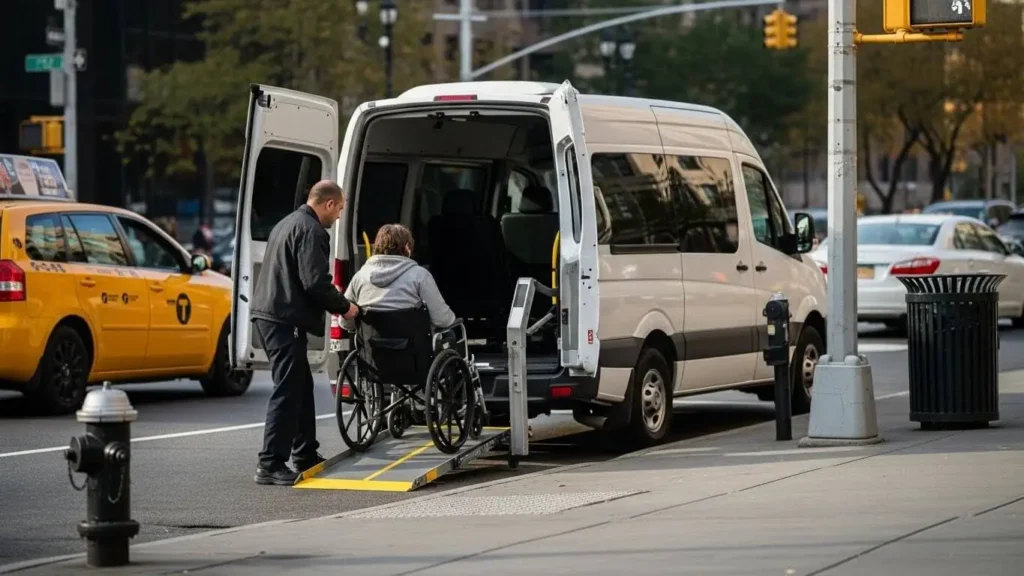
Handicap accessible vehicles are engineered to eliminate physical barriers that standard vehicles create. These vehicles are not improvised solutions; they follow strict safety and accessibility guidelines.
Key features include:
- ADA-compliant ramps or hydraulic lifts
- Secure wheelchair tie-down systems
- High interior ceilings
- Non-slip flooring
- Climate-controlled cabins
In NYC, handicap accessible vehicles are regulated to ensure they meet safety standards that protect passengers during short and long trips alike.
The Role of Accessible Vehicles in Urban Mobility
Accessible vehicles play a critical role in public health and social inclusion. Without reliable access, many people would miss medical care, social engagements, or employment opportunities.
In dense cities like New York, accessible vehicles help:
- Reduce missed medical appointments
- Improve patient outcomes
- Support aging-in-place initiatives
- Enhance quality of life
They ensure mobility is a right, not a privilege.
Mobility Vehicles Explained
Mobility vehicles are designed for passengers who require extra assistance but may not need full medical transport. These vehicles often serve daily needs such as shopping, family visits, or community activities.
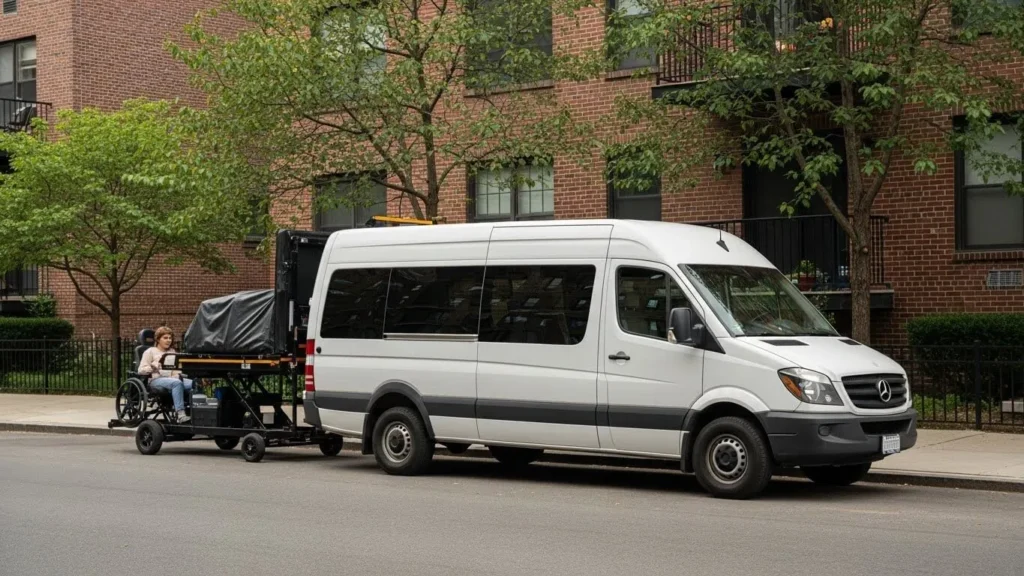
Mobility vehicles typically offer:
- Assisted entry and exit
- Wheelchair or walker accommodation
- Comfortable seating for companions
- Trained, courteous drivers
They provide flexibility without compromising safety.
Disability Vehicles and Dignity in Transportation
Disability vehicles are about more than mechanics; they represent respect and dignity. Riders should never feel rushed, unsafe, or overlooked.
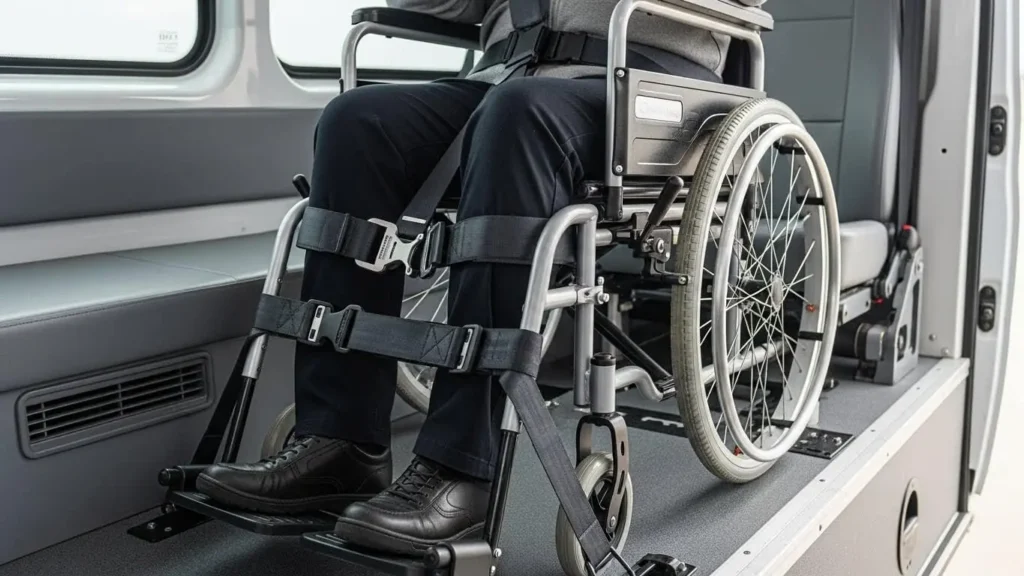
High-quality disability vehicles prioritize:
- Privacy
- Smooth ride quality
- Clear communication
- Consistent service standards
In NYC, professional services understand that every rider’s needs are different and treat each trip with care.
Safety Standards for Handicap Vehicles
Safety is the backbone of reliable transportation. All professional handicap vehicles follow protocols designed to protect passengers and drivers alike.
Key safety measures include:
- Wheelchair restraint systems
- Seat belts for riders and attendants
- Routine vehicle inspections
- Driver training and certification
These measures significantly reduce risk during sudden stops, traffic congestion, or adverse weather.
Medical Transportation and Handicap Vehicles
Healthcare facilities across NYC rely heavily on handicap vehicles for patient mobility. From hospital discharges to routine outpatient visits, these vehicles ensure continuity of care.
They are commonly used for:
- Dialysis appointments
- Physical therapy
- Chemotherapy
- Follow-up medical visits
Timely, accessible transport directly impacts patient recovery and outcomes.
Reliable Disabled Access Vehicle Service in NYC
Choosing a Reliable disabled access vehicle service in NYC means choosing peace of mind. Reliability is measured by punctuality, driver professionalism, vehicle cleanliness, and communication.
A dependable service offers:
- Advance scheduling
- Same-day availability
- 24/7 customer support
- Coverage across all five boroughs
For patients and families, reliability reduces stress and builds trust.
Handicap Vehicles vs Traditional Transportation
Standard taxis and rideshare options often lack:
- Proper ramps
- Driver training
- Interior space
- Wheelchair securement
Handicap vehicles are purpose-built to handle these needs, making them the safest and most practical choice for accessible travel.
Borough-Wide Accessibility in NYC
From Manhattan to Staten Island, access varies greatly. Professional services deploy handicap vehicles strategically to cover:
- Residential neighborhoods
- Hospitals and clinics
- Airports and transit hubs
- Rehabilitation centers
This ensures equitable access across the city.
How Technology Is Improving Handicap Vehicles
In 2026, technology has transformed how handicap vehicles operate:
- GPS-based dispatch systems
- Real-time ride tracking
- Digital scheduling platforms
- Automated service reminders
These innovations improve reliability and transparency for riders and caregivers.
Environmental Considerations
Modern handicap vehicles increasingly use:
- Low-emission engines
- Fuel-efficient designs
- Cleaner interior materials
Sustainability aligns accessibility with NYC’s environmental goals.
Choosing the Right Service Provider
When selecting a provider, look for:
- Licensed and insured vehicles
- Experienced drivers
- Transparent pricing
- Positive reviews
A strong provider understands that accessible transportation is healthcare support, not just a ride.
Cost Expectations and Insurance
Costs vary depending on distance, time, and level of assistance. Many services accept:
- Private insurance
- Facility billing
Clear pricing ensures no surprises.
The Future of Handicap Vehicles in NYC
The future points toward:
- Expanded fleets
- Faster response times
- Smarter scheduling
- Greater integration with healthcare systems
As the city ages, accessible transportation will continue to grow in importance.
Final Thoughts
Handicap vehicles are essential infrastructure in New York City. They support independence, protect dignity, and ensure access to care. From daily errands to critical medical visits, these vehicles empower individuals to live fully and safely.
Choosing the right accessible transportation service is not just a logistical decision it is a quality-of-life decision.
FAQs
What are handicap vehicles used for?
Handicap vehicles are used to transport individuals with mobility challenges safely and comfortably to medical appointments, daily activities, and essential services.
Are handicap vehicles available in all NYC boroughs?
Yes, professional services operate handicap vehicles across all five boroughs, including Manhattan, Brooklyn, Queens, the Bronx, and Staten Island.
How are handicap vehicles different from regular taxis?
Handicap vehicles include ramps or lifts, wheelchair securement, trained drivers, and interiors designed for accessibility, which standard taxis usually lack.
Can caregivers ride along?
Yes, most services allow caregivers or family members to accompany the passenger at no additional cost.
How do I schedule accessible transportation?
You can schedule by phone or online, choosing a reliable provider that offers advance booking and same-day service.
Contact With Us
Call Now: +1 (212) 804-7898
Leave a Reply