
Safe NEMT Services NYC | Non-Emergency Medical Transport
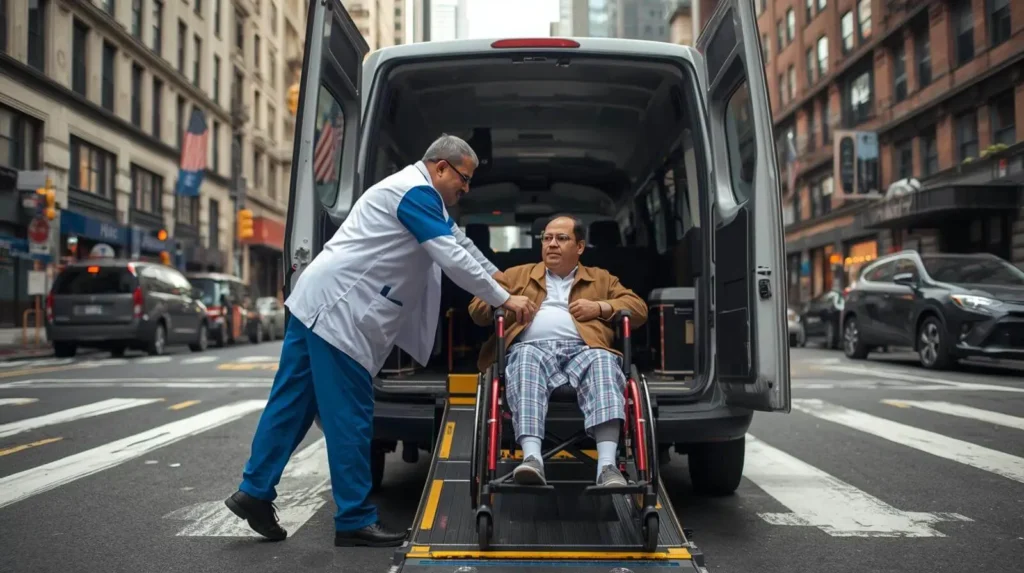
NEMT: A Complete Guide to Non-Emergency Medical Transportation Healthcare does not end at the hospital door. For many patients, the hardest part is simply getting there. This is where NEMT services plays a critical role. Across cities like New York, thousands of patients depend on non-emergency transportation every day to reach medical care safely, on time, and without stress. This guide explains what NEMT is, how it works, who needs it, and how to find reliable non-emergency medical transport service that truly supports patients and families. What Is NEMT and Why It Matters NEMT stands for non emergency medical transportation services. It refers to scheduled medical rides for patients who do not require an ambulance but still need assistance traveling to healthcare facilities. These trips may include rides to dialysis centers, physical therapy clinics, routine doctor visits, outpatient procedures, and hospital discharges. Unlike emergency transport, NEMT focuses on safety, comfort, and consistency rather than urgency. For seniors, patients with disabilities, and people recovering from illness or surgery, this service often becomes a lifeline. Without dependable transportation, missed appointments become common, health conditions worsen, and stress increases for both patients and caregivers. Who Uses NEMT Transportation Services NEMT transportation supports a wide range of individuals, including: Many Medical recipients also qualify for NEMT services as part of their healthcare benefits, making access to transportation an essential part of ongoing care. How NEMT Services Work in Daily Life NEMT services are typically scheduled in advance. A patient or caregiver arranges pickup, confirms accessibility needs, and selects a time that aligns with the medical appointment. On the day of travel, a trained driver arrives in a properly equipped vehicle. The ride is calm, assisted, and focused on patient comfort. Unlike ride-share apps, these services understand medical timing, patient limitations, and safety requirements. A reliable non-emergency medical transport service ensures patients arrive early, not rushed, and return home safely after their appointment. The Importance of Reliable Non-Emergency Medical Transport Service Reliability is the foundation of good medical transportation. When transport fails, patients miss care. When drivers are untrained, injuries and stress occur. A truly reliable service provides: For families, knowing a loved one is in safe hands removes an enormous burden. NEMT Near Me: How Patients Find Local Services Searching for NEMT near me is often the first step patients take when public transportation or family assistance is no longer an option. When evaluating local providers, patients should look for: In a city like New York, availability across multiple areas matters. Medical appointments are not always close to home, and traffic patterns can affect timing. Vehicles Used in NEMT Transportation NEMT transportation relies on specialized vehicles designed for patient comfort and safety. These may include: Every vehicle should be regularly inspected and equipped to handle mobility devices securely. This attention to detail is what separates professional NEMT services from general transport options. The Human Side of NEMT Services Behind every NEMT ride is a personal story. A senior going to dialysis three times a week. A patient attending physical therapy after surgery. A caregiver juggling work and family responsibilities. NEMT services are not just about transportation. They are about continuity of care, independence, and dignity. A calm ride with a respectful driver can turn an exhausting medical day into a manageable one. Over time, patients build trust with providers who show up consistently and treat them with care. How NEMT Improves Health Outcomes Studies and healthcare providers agree on one thing: transportation affects health outcomes. When patients have access to NEMT transportation: Reliable transportation supports the entire healthcare system by keeping patients engaged in their treatment plans. Common Situations Where NEMT Is Essential NEMT is commonly used for: In all these cases, emergency services are unnecessary, but safe, assisted transport is still required. NEMT Services and Caregiver Support Caregivers often rely heavily on NEMT services. When transportation is handled professionally, caregivers can focus on medical decisions and emotional support rather than logistics. This is especially important for working family members who cannot always leave work to provide rides. Knowing a patient is supported by a reliable non-emergency medical transport service brings peace of mind. Choosing the Right NEMT Provider Not all providers offer the same level of care. When selecting NEMT services, patients should consider: A provider that understands the healthcare environment is better equipped to handle delays, special instructions, and patient comfort. The Role of NEMT in Urban Healthcare In large cities, transportation barriers are amplified by traffic, distance, and accessibility challenges. This makes NEMT even more critical. Hospitals and clinics depend on NEMT transportation to ensure patients arrive safely and on time. Without it, no-show rates rise, and healthcare efficiency drops. Urban healthcare systems increasingly recognize NEMT services as a core component of patient care, not an optional extra. Technology and Modern NEMT Services Modern NEMT services are improving through better scheduling systems, communication tools, and vehicle tracking. Patients can now: These improvements help make NEMT transportation more predictable and patient-friendly. Frequently Asked Questions What does NEMT mean? NEMT stands for non-emergency medical transportation, which provides scheduled rides for patients who do not need emergency care but require medical transport. Who qualifies for NEMT services? Seniors, patients with disabilities, and individuals needing regular medical visits often qualify for NEMT services. How do I find NEMT near me? Search online for local providers, check reviews, and confirm that the service offers medical transportation in your area. Is NEMT transportation safe? Yes, professional NEMT transportation uses trained drivers and vehicles designed for patient safety and comfort. Can caregivers schedule NEMT services? Yes, caregivers often arrange NEMT services on behalf of patients to ensure reliable and stress-free transportation. Final Thoughts on NEMT Healthcare access should never depend on whether someone can drive or navigate public transit. NEMT bridges that gap by providing safe, dependable transportation for those who need it most. From routine appointments to ongoing treatments, NEMT services support patients, families, and healthcare providers alike. When built on reliability, compassion, and professionalism, non-emergency
Hidden Wheelchair Travel Problems NYC Riders Face Daily 2026
Hidden Problems with Wheelchair Travel in NYC No One Talks About New York City likes to describe itself as a place for everyone. The sidewalks are busy, the trains run all night, and transportation seems endless. Yet for many people who rely on wheelchairs, the city feels very different on the ground. What looks accessible on a map often turns into a daily test of patience, safety, and endurance. This article takes an honest look at wheelchair travel problems NYC residents face every day, including issues that rarely make headlines. These are not theoretical concerns. They are lived experiences that affect work, healthcare, family life, and independence. The Reality of Wheelchair Travel Problems NYC Residents Face On paper, New York City has laws, programs, and agencies meant to support accessibility. In practice, wheelchair users often discover that access depends on luck, timing, and personal resilience. Many wheelchair travel problems NYC riders encounter happen quietly. A curb cut blocked by trash bags. An elevator marked as working but locked. A ride that never shows up. None of these problems alone seems dramatic, yet together they shape daily life. What makes these problems harder is that they are unpredictable. You can plan carefully and still end up stranded. Mobility Challenges NYC Streets Create Every Single Day One of the most overlooked realities of wheelchair use is how physically demanding city navigation can be. The uneven surfaces of sidewalks, cracked pavement, and steep curb angles make movement slow and exhausting. These mobility challenges NYC residents face are not limited to older neighborhoods. Even recently renovated streets often ignore how wheelchairs actually move. A ramp that is technically present may be too steep to use safely. A sidewalk may slope sharply toward traffic. During peak hours, pedestrians move quickly and rarely notice wheelchair users trying to navigate around them. The result is constant stopping, maneuvering, and stress. Mobility challenges NYC environments create are not just inconvenient. They increase the risk of injury and fatigue, especially for seniors and people with limited upper body strength. Wheelchair Accessibility Issues in Public Transportation Public transportation is often described as the backbone of the city. For wheelchair users, it can feel like a gamble. Many subway stations remain inaccessible. Elevators break frequently, sometimes without warning. Even when elevators are operational, reaching them can involve long detours through crowded corridors. Wheelchair accessibility issues on buses also persist. Drivers may be unfamiliar with securement procedures or unwilling to deploy ramps during busy routes. A single delay can cascade into missed appointments or lost work hours. These wheelchair accessibility issues force many riders to avoid public transit entirely, despite it being the most affordable option. Common Wheelchair Travel Issues in NYC Are Often Invisible Some of the most serious problems never appear in official reports. Common wheelchair travel issues in NYC include things like rideshare cancellations once a wheelchair is visible, or drivers refusing service without explanation. Another frequent issue is lack of communication. A rider may wait outside a building with no way to confirm if a vehicle is arriving or accessible. When a trip fails, there is rarely accountability. These common wheelchair travel issues in NYC build frustration over time. They teach riders to expect failure rather than reliability. Daily Wheelchair Transport Problems NYC Riders Learn to Anticipate Over time, wheelchair users begin to plan their days around transportation uncertainty. Daily wheelchair transport problems NYC residents experience include scheduling medical visits earlier than necessary just in case of delays. Weather intensifies these issues. Rain makes curb cuts slippery. Snow buries ramps. Heat causes equipment to malfunction. Each season brings new obstacles. Daily wheelchair transport problems NYC riders face also affect caregivers and family members who must adjust schedules or provide backup assistance. Why Sidewalk Design Is a Bigger Problem Than Traffic Most people think of traffic as the biggest urban danger. For wheelchair users, sidewalks often present greater risks. Tree roots lift concrete slabs. Restaurant sheds block pathways. Construction scaffolding narrows routes to unsafe widths. None of these obstacles are temporary in practice. Mobility challenges NYC sidewalks create can force wheelchair users into bike lanes or streets, increasing the risk of accidents. Medical Appointments and the Cost of Unreliable Transport Healthcare access depends on transportation. Missed rides can mean missed treatments, delayed diagnoses, or unmanaged conditions. Many wheelchair travel problems NYC patients experience show up most clearly when traveling to hospitals or clinics. Appointment windows are tight, and late arrivals may require rescheduling weeks later. Reliable transport is not a luxury in these situations. It is a medical necessity. Emotional Stress Behind Wheelchair Accessibility Issues The physical challenges are only part of the story. The emotional toll is often heavier. Repeated wheelchair accessibility issues teach people to lower expectations. Independence begins to feel fragile. Anxiety becomes part of travel planning. People stop going out unless absolutely necessary. Social isolation grows quietly. These consequences rarely appear in policy discussions, yet they shape daily life more than any broken elevator. Why Planning Ahead Does Not Always Work Advice often focuses on planning. While preparation helps, it does not eliminate risk. Even well-planned trips fall apart due to unexpected mobility challenges NYC infrastructure creates. A route that worked yesterday may fail today. This uncertainty makes spontaneity almost impossible. The Gap Between Policy and Reality Accessibility laws exist, but enforcement is inconsistent. Reporting problems rarely leads to immediate solutions. Wheelchair travel problems NYC residents report may remain unresolved for months or years. In the meantime, people adapt rather than wait. That adaptation often means spending more money on private transport or relying on others. Common Wheelchair Travel Issues in NYC During Off-Hours Night travel brings additional risks. Reduced staffing, closed entrances, and limited services increase vulnerability. Common wheelchair travel issues in NYC after hours include longer wait times and fewer accessible vehicles. Safety concerns also increase in poorly lit areas. For many riders, nighttime travel is avoided unless absolutely necessary. Daily Wheelchair Transport Problems NYC Seniors Face Older adults experience these issues
Handicap Vehicles NYC 2026 | Safe & Fast Mobility Vehicles

Handicap Vehicles: The Complete NYC Guide to Accessible Transportation in 2026 In a city as large, fast-paced, and diverse as New York City, transportation access is not a luxury, it is a necessity. For millions of residents, visitors, seniors, and people living with disabilities, handicap vehicles are the foundation of safe, independent, and dignified mobility. As NYC continues to evolve in 2026, the demand for dependable, inclusive transportation has never been higher. This guide explains everything you need to know about handicap vehicles, how they work, who relies on them, and why they matter so much in modern urban life. Whether you are a patient, caregiver, healthcare coordinator, or family member, understanding accessible transportation empowers you to make better mobility decisions. What Are Handicap Vehicles? Handicap vehicles are specially designed or modified transportation vehicles that accommodate passengers with limited mobility. Unlike standard taxis or rideshare cars, these vehicles are built with safety, space, and accessibility as their primary purpose. In NYC, handicap vehicles typically include: They feature ramps or lifts, wide doorways, secure wheelchair restraints, and trained drivers who assist passengers respectfully and professionally. Why Handicap Vehicles Matter in NYC New York City presents unique challenges: crowded streets, vertical living, unpredictable weather, and long travel distances between boroughs. For someone using a wheelchair or mobility aid, navigating these conditions without proper transportation can be stressful or even dangerous. Handicap vehicles bridge the gap between independence and accessibility by offering: They are essential for doctor visits, dialysis, rehabilitation appointments, airport transfers, and everyday errands. Who Relies on Handicap Vehicles? The need for handicap vehicles spans across many communities, including: Caregivers and medical professionals also depend on these services to ensure patients arrive safely and on time. Understanding Handicap Accessible Vehicles Handicap accessible vehicles are engineered to eliminate physical barriers that standard vehicles create. These vehicles are not improvised solutions; they follow strict safety and accessibility guidelines. Key features include: In NYC, handicap accessible vehicles are regulated to ensure they meet safety standards that protect passengers during short and long trips alike. The Role of Accessible Vehicles in Urban Mobility Accessible vehicles play a critical role in public health and social inclusion. Without reliable access, many people would miss medical care, social engagements, or employment opportunities. In dense cities like New York, accessible vehicles help: They ensure mobility is a right, not a privilege. Mobility Vehicles Explained Mobility vehicles are designed for passengers who require extra assistance but may not need full medical transport. These vehicles often serve daily needs such as shopping, family visits, or community activities. Mobility vehicles typically offer: They provide flexibility without compromising safety. Disability Vehicles and Dignity in Transportation Disability vehicles are about more than mechanics; they represent respect and dignity. Riders should never feel rushed, unsafe, or overlooked. High-quality disability vehicles prioritize: In NYC, professional services understand that every rider’s needs are different and treat each trip with care. Safety Standards for Handicap Vehicles Safety is the backbone of reliable transportation. All professional handicap vehicles follow protocols designed to protect passengers and drivers alike. Key safety measures include: These measures significantly reduce risk during sudden stops, traffic congestion, or adverse weather. Medical Transportation and Handicap Vehicles Healthcare facilities across NYC rely heavily on handicap vehicles for patient mobility. From hospital discharges to routine outpatient visits, these vehicles ensure continuity of care. They are commonly used for: Timely, accessible transport directly impacts patient recovery and outcomes. Reliable Disabled Access Vehicle Service in NYC Choosing a Reliable disabled access vehicle service in NYC means choosing peace of mind. Reliability is measured by punctuality, driver professionalism, vehicle cleanliness, and communication. A dependable service offers: For patients and families, reliability reduces stress and builds trust. Handicap Vehicles vs Traditional Transportation Standard taxis and rideshare options often lack: Handicap vehicles are purpose-built to handle these needs, making them the safest and most practical choice for accessible travel. Borough-Wide Accessibility in NYC From Manhattan to Staten Island, access varies greatly. Professional services deploy handicap vehicles strategically to cover: This ensures equitable access across the city. How Technology Is Improving Handicap Vehicles In 2026, technology has transformed how handicap vehicles operate: These innovations improve reliability and transparency for riders and caregivers. Environmental Considerations Modern handicap vehicles increasingly use: Sustainability aligns accessibility with NYC’s environmental goals. Choosing the Right Service Provider When selecting a provider, look for: A strong provider understands that accessible transportation is healthcare support, not just a ride. Cost Expectations and Insurance Costs vary depending on distance, time, and level of assistance. Many services accept: Clear pricing ensures no surprises. The Future of Handicap Vehicles in NYC The future points toward: As the city ages, accessible transportation will continue to grow in importance. Final Thoughts Handicap vehicles are essential infrastructure in New York City. They support independence, protect dignity, and ensure access to care. From daily errands to critical medical visits, these vehicles empower individuals to live fully and safely. Choosing the right accessible transportation service is not just a logistical decision it is a quality-of-life decision. FAQs What are handicap vehicles used for? Handicap vehicles are used to transport individuals with mobility challenges safely and comfortably to medical appointments, daily activities, and essential services. Are handicap vehicles available in all NYC boroughs? Yes, professional services operate handicap vehicles across all five boroughs, including Manhattan, Brooklyn, Queens, the Bronx, and Staten Island. How are handicap vehicles different from regular taxis? Handicap vehicles include ramps or lifts, wheelchair securement, trained drivers, and interiors designed for accessibility, which standard taxis usually lack. Can caregivers ride along? Yes, most services allow caregivers or family members to accompany the passenger at no additional cost. How do I schedule accessible transportation? You can schedule by phone or online, choosing a reliable provider that offers advance booking and same-day service. Contact With Us NYC Wheelchair Call Now: +1 (212) 804-7898 Reservation Or Take a Quote
Ground Mobility Vehicle Guide 2026 | Safe Transport In NYC
Ground Mobility Vehicle: A Complete Guide to Safe, Accessible Transportation Modern cities move quickly, but not everyone can move with the same ease. For millions of people, transportation is not about convenience. It is about dignity, safety, and independence. This is where the ground mobility vehicle plays a vital role in daily life. From seniors to individuals with disabilities, these vehicles support access to healthcare, work, education, and social connection. A ground mobility vehicle is more than a means of transport. It is a bridge between people and the world around them. In this guide, we explore what makes these vehicles essential, how they differ from traditional transportation, and why safety, accessibility, and thoughtful design matter more than ever. Understanding the Role of a Ground Mobility Vehicle A ground mobility vehicle is designed to serve people who need extra support when traveling on city streets, highways, or local routes. These vehicles are purpose-built to accommodate wheelchairs, walkers, and other mobility aids. They remove barriers that standard cars, buses, or taxis often create. In everyday terms, a ground mobility vehicle allows individuals to travel without relying on others for physical assistance. It restores confidence. It allows someone to attend a doctor’s appointment, visit family, or simply enjoy a ride across town without anxiety. What separates these vehicles from ordinary transport is intention. Every feature exists to reduce strain, prevent injury, and improve comfort. Why Ground Mobility Vehicles Matter in Daily Life Transportation affects quality of life more than many realize. When access is limited, independence fades. A reliable ground mobility vehicle changes that equation. For seniors, it reduces isolation.For patients, it ensures safe travel to medical care.For people with disabilities, it offers control and consistency. Without proper mobility support, daily routines become obstacles. Ground mobility solutions turn those obstacles into manageable steps. Mobility Vehicle Design and Function A mobility vehicle is engineered with space, stability, and accessibility in mind. Unlike standard vehicles, these designs prioritize entry, exit, and secure seating. Ramps and lifts are positioned to minimize effort. Floors are lowered to improve balance. Seating is adjustable for comfort. Another essential feature of a mobility vehicle is visibility. Drivers benefit from wide angles and clear lines of sight, which improves safety during loading and unloading. Interior layouts are uncluttered. This allows for smooth movement and prevents accidental contact with equipment or passengers. The Importance of Handicap Vehicles in Urban Areas Cities present unique challenges. Crowded sidewalks, uneven pavement, and heavy traffic can be overwhelming. Handicap vehicles are built to handle these conditions safely and efficiently. They offer: In dense urban environments, handicap vehicles allow individuals to move confidently through busy neighborhoods without fear of injury or delay. Handicap Accessible Vehicles and Independence Handicap accessible vehicles represent freedom. They allow people to travel without waiting for assistance or relying on family members. These vehicles are especially valuable for individuals who use power wheelchairs or scooters. The extra space ensures safe positioning. The secure locking systems prevent movement during travel. When transportation becomes accessible, participation increases. Work opportunities grow. Healthcare access improves. Social life expands. Safety as the Foundation of Ground Mobility Safety is not optional. It is the foundation of every effective ground mobility vehicle. Proper restraints, non-slip surfaces, and reinforced structures protect passengers in all conditions. A well-designed ground mobility vehicle anticipates risk. It reduces sharp turns. It absorbs road vibration. It keeps passengers stable and supported. Without these safeguards, mobility becomes dangerous rather than empowering. Mobility Vehicle Safety Standards Mobility vehicle safety standards exist to protect both passengers and drivers. These guidelines ensure that vehicles are tested, inspected, and maintained regularly. Key safety features include: When safety standards are followed, confidence grows. Passengers feel secure. Caregivers trust the system. Choosing the Right Ground Mobility Vehicle Selecting the right ground mobility vehicle depends on individual needs. Not all vehicles are the same. Some are designed for short trips. Others support long-distance travel. Consider: A thoughtful choice ensures comfort, reliability, and long-term satisfaction. How Mobility Vehicles Support Healthcare Access Healthcare depends on timely arrival. Missed appointments lead to delayed treatment. A dependable mobility vehicle ensures that patients arrive safely and on time. From routine checkups to ongoing therapy sessions, transportation plays a quiet but crucial role. When travel is reliable, health outcomes improve. Medical providers increasingly recognize that transportation is part of patient care. The Role of Handicap Vehicles in Aging Communities As populations age, demand for handicap vehicles increases. Seniors often face reduced balance, slower reaction times, or limited strength. These vehicles adapt to those changes. Features like low-entry ramps, supportive seating, and smooth suspension protect aging bodies from strain and injury. By supporting mobility, handicap vehicles help seniors remain active and engaged in their communities. Handicap Accessible Vehicles for Family Support Families often provide care, but transportation can become a burden. Handicap accessible vehicles reduce that burden by simplifying travel. Caregivers no longer need to lift equipment or struggle with narrow doors. Everything is designed to support safe and efficient movement. This reduces stress and allows families to focus on quality time rather than logistics. Ground Mobility Vehicle Use Beyond Medical Needs A ground mobility vehicle is not limited to hospitals or clinics. These vehicles support daily life. They are used for: Mobility should not be restricted to medical necessity. Participation in everyday life matters just as much. Mobility Vehicle Reliability and Maintenance Reliability builds trust. A mobility vehicle must perform consistently under different conditions. Regular maintenance ensures that ramps operate smoothly and securement systems remain strong. Preventive inspections reduce breakdowns and protect passengers from inconvenience or risk. A dependable vehicle supports independence without interruption. Handicap Vehicles and Driver Training A vehicle is only as safe as the person operating it. Drivers of handicap vehicles require specialized training. They must understand how to assist passengers respectfully and operate equipment correctly. Training includes: Professional drivers create a calm and supportive travel experience. The Value of Handicap Accessible Vehicles in Modern Transport Transportation systems are evolving. Handicap accessible vehicles are no
Wheelchair Transport NYC at Night | Safe 24/7 Rides
NYC Wheelchair Transport at Night: Safe Options After 9 PM New York City does not sleep. Subways rumble late into the night, emergency rooms stay open, and airports never truly close. But for people who rely on wheelchairs, nighttime travel can feel uncertain. After 9 PM, options shrink, safety concerns grow, and reliability becomes critical. That is where wheelchair transport NYC at night becomes more than a service. It gives me peace of mind. Late evenings often bring medical needs, unexpected trips, airport departures, or simply the need to get home safely. Choosing the right transportation at night is not about convenience alone. It is about trust, experience, and knowing that someone understands accessibility when the city is quiet and the streets are dark. This guide explains how wheelchair transport NYC at night works, what makes it safe, and how riders can move confidently across the city after hours. Why Nighttime Wheelchair Transport Matters in NYC After sunset, public transportation changes. Elevators may be out of service. Bus routes become limited. Ride-share drivers often decline wheelchair requests late at night. For wheelchair users, this creates gaps that standard transit cannot fill. Reliable wheelchair transport NYC at night ensures continuity of care and independence. It allows patients to leave hospitals after evening procedures. It helps seniors return home safely from family visits. It supports overnight workers and travelers heading to or from airports. Night travel demands more than a vehicle. It requires trained drivers, proper lighting, secure wheelchair systems, and awareness of nighttime safety conditions across different boroughs. Understanding Late Night Wheelchair Rides in NYC Many people assume accessible rides stop early. In reality, late night wheelchair rides NYC are available through professional providers who specialize in after-hours mobility. These services operate with dedicated fleets designed for nighttime conditions. Drivers are trained to navigate quieter streets, construction zones, and reduced traffic patterns. Vehicles are equipped with interior lighting, safety restraints, and secure ramps that work reliably even in low-visibility environments. Unlike standard taxis, late night wheelchair rides NYC focus on consistency. Riders know who is picking them up, when they will arrive, and what kind of vehicle to expect. What Makes Nighttime Wheelchair Transport Safe Safety at night goes beyond locking doors. A trusted provider offering wheelchair transport NYC at night builds safety into every step of the journey. Key safety elements include: These features create safe night transport that feels predictable, calm, and controlled even during late hours. Wheelchair Van Service NYC Late Night: Why Vans Matter Not all accessible vehicles perform the same after dark. A wheelchair van service NYC late night is often the most dependable option. Vans provide: Choosing a wheelchair van service NYC late night ensures stability during boarding and travel. This is especially important for seniors, power wheelchair users, and patients recovering from procedures. After Hours Wheelchair Transport NYC for Medical Needs Hospitals never close, and neither do medical needs. After hours wheelchair transport NYC plays a crucial role in patient care. Many discharges happen late in the evening. Some treatments require overnight travel between facilities. Dialysis, rehabilitation, and urgent appointments do not follow a nine-to-five schedule. Professional after hours wheelchair transport NYC providers coordinate directly with hospitals, clinics, and caregivers. They understand medical timelines and ensure patients arrive home or at their next destination safely, even after midnight. Safe Night Transport Across NYC Boroughs Each borough presents different nighttime challenges. Traffic patterns change, lighting varies, and street conditions differ. Reliable wheelchair transport NYC at night accounts for these differences. Providers offering safe night transport plan routes carefully, avoiding unnecessary delays and ensuring timely arrivals across all boroughs. Who Uses Late Night Wheelchair Rides in NYC Nighttime accessible transportation serves a wide range of riders. Late night wheelchair rides NYC are commonly used by: These riders rely on consistency. They need drivers who arrive on time, understand accessibility, and treat them with respect regardless of the hour. How to Book Wheelchair Transport NYC at Night Booking nighttime transport should be simple, not stressful. Most professional services allow both scheduled and on-demand requests. To book safely: A trusted wheelchair transport NYC at night service confirms details before arrival and keeps communication clear throughout the trip. Common Concerns About Nighttime Wheelchair Transport Many first-time riders worry about safety, delays, or availability. These concerns are valid. That is why choosing an experienced provider matters. Professional services offering after hours wheelchair transport NYC address these concerns through training, vehicle maintenance, and accountability. Riders are not left waiting on sidewalks or wondering if a driver will show up. The goal is simple. Make nighttime travel feel as reliable as daytime travel. The Human Side of Night Travel Late at night, every ride feels more personal. A calm driver. A quiet street. A smooth ride home. For someone using a wheelchair, these moments matter. Wheelchair transport NYC at night is not just logistics. It is dignity. It is knowing you can live your life on your schedule, not the city’s limitations. From medical needs to personal freedom, nighttime accessibility keeps New York open for everyone. Why Professional Providers Make the Difference Not all services are equal. Providers specializing in late night wheelchair rides NYC invest in equipment, training, and support systems designed for after-hours travel. They understand that trust is earned, especially at night. They prioritize safety, punctuality, and communication. They build long-term relationships with riders, hospitals, and families. That experience turns transportation into reassurance. FAQs What is wheelchair transport NYC at night? It refers to professional wheelchair-accessible transportation services operating after 9 PM across New York City, designed for safe and reliable nighttime travel. Are late night wheelchair rides NYC available every day? Yes. Many professional providers offer late night wheelchair rides NYC seven days a week, including holidays. Is wheelchair van service NYC late night safer than taxis? In most cases, yes. A wheelchair van service NYC late night offers better securement, trained drivers, and more space than standard taxis. Who needs after hours wheelchair transport NYC? Patients,
Best Compare Transport Types NYC Van vs Ambulette vs Taxi
Choosing Between Van, Ambulette, or Taxi for Disabled Transportation in NYC New York City moves fast, but accessibility must never be rushed. For people with disabilities, seniors, and caregivers, transportation choices directly affect comfort, safety, dignity, and daily independence. When deciding how to travel across the city, many people need to compare transport types NYC offers and understand which option truly fits their needs. Wheelchair users and families often face confusion when choosing between a wheelchair van, an ambulette, or a taxi. Each serves a purpose, but not every ride fits every situation. This guide breaks down the differences clearly so you can make informed decisions based on real use cases in NYC. Why It Matters to Compare Transport Types NYC Not all accessible rides are equal. Some trips require medical assistance, others need simple curb-to-curb service, and some demand affordability above all else. When you compare transport types NYC, you protect yourself from delays, discomfort, and unnecessary costs. Choosing the wrong vehicle can lead to unsafe transfers, late medical appointments, or stress during what should be a routine ride. Understanding how vans, ambulettes, and taxis differ gives you control and confidence. Wheelchair Vans Explained Wheelchair vans are among the most flexible mobility options in the city. These vehicles are designed with ramps or lifts and secure wheelchair lock systems, allowing riders to remain seated during transport. For many people deciding between options, the debate of wheelchair van vs taxi NYC often comes down to comfort and space. Wheelchair vans offer generous interior room, stable entry, and safer long-distance travel. Wheelchair vans are commonly used for: When comparing wheelchair van vs taxi NYC, vans provide more stability, especially for power wheelchairs and mobility scooters. Another advantage in the wheelchair van vs taxi NYC discussion is driver training. Van drivers are usually trained in wheelchair securement and passenger assistance, which adds peace of mind. For those needing consistent reliability, wheelchair van vs taxi NYC comparisons often favor vans due to predictable service quality. In many situations, families conclude that wheelchair van vs taxi NYC decisions should prioritize safety over speed. Understanding Ambulette Services in NYC An ambulette is a non-emergency medical transport vehicle designed for passengers who need assistance but not emergency care. The ambulette service NYC option is ideal for patients who require help entering or exiting vehicles or walking short distances. An ambulette service NYC typically includes trained attendants who assist with mobility, seating, and basic patient needs. Common uses of ambulette service NYC include: What separates an ambulette service NYC from other options is its medical awareness. Drivers are trained to support vulnerable passengers safely. Cost is another factor. While an ambulette service NYC may be more expensive than a taxi, it offers structured care that taxis cannot provide. For recurring healthcare travel, many patients depend on ambulette service NYC because consistency matters more than speed. Taxi Services and Accessibility Limits Taxis are widely available and familiar across NYC. Some yellow taxis are wheelchair accessible, but availability can vary by location and time. When people compare transport types NYC, taxis appeal due to convenience. However, limited space and inconsistent accessibility can make taxis unsuitable for many wheelchair users. Taxis may work for: Despite these benefits, taxis lack the support systems found in vans or ambulettes. Choosing the Best Transport Option for Disabled NYC Residents Every rider’s needs are different. Selecting the best transport option for disabled NYC residents depends on health, distance, frequency, and assistance requirements. For seniors and individuals with limited mobility, the best transport option for disabled NYC is often one that prioritizes safety and patience over speed. When traveling to medical facilities, many caregivers agree the best transport option for disabled NYC includes trained staff and proper equipment. For daily errands, the best transport option for disabled NYC may change depending on schedule flexibility and budget. Families managing long-term mobility challenges often reassess the best transport option for disabled NYC as health needs evolve. Cost Comparison Across Transport Types When you compare transport types NYC, pricing plays a major role. Understanding these differences helps riders choose wisely without sacrificing safety. Borough-Specific Considerations in NYC Accessibility varies across Manhattan, Brooklyn, Queens, the Bronx, and Staten Island. Traffic patterns, distance, and service availability can all influence your experience. When you compare transport types NYC, consider how frequently you travel between boroughs and whether the service reliably covers your area. Safety and Reliability Factors Safety should never be optional. Wheelchair securement, trained drivers, and proper vehicle maintenance all matter. In wheelchair van vs taxi NYC evaluations, vans often outperform taxis for secure seating and smoother rides. Ambulettes add another layer of care for those who need physical assistance beyond driving. Final Thoughts on Comparing Transport Types Choosing transportation is about independence, dignity, and trust. Taking time to compare transport types NYC ensures that each ride supports your health and lifestyle. For some, the decision centers on wheelchair van vs taxi NYC convenience. For others, an ambulette service NYC becomes essential for ongoing care. Ultimately, the best transport option for disabled NYC residents is the one that meets personal needs without compromise. Frequently Asked Questions Is a wheelchair van safer than a taxi in NYC? Yes. Vans offer secure wheelchair locking systems and trained drivers, making them safer for longer or routine travel. Who should use an ambulette instead of a van? Passengers needing hands-on assistance or medical awareness benefit most from ambulettes. Are accessible taxis always available? Availability varies by borough and time, which is why planning ahead is important. Can I use different transport types for different needs? Absolutely. Many people rotate between options based on trip purpose. How do I decide what works best for me? Assess your mobility level, assistance needs, travel distance, and budget before choosing. Contact With Us Call Now: +1 (212) 804-7898 Reservation Or Take a Quote
Affordable Accessible Transport NYC 2026 | Wheelchair Taxis
Affordable Wheelchair Taxi & Van Services for 2026: What to Expect in NYC New York City is changing fast, and transportation is changing with it. For people who rely on wheelchair access, affordability has become just as important as availability. As we move toward 2026, affordable accessible transport NYC 2026 is no longer a future idea. It is an active demand from seniors, patients, caregivers, and everyday residents who need reliable mobility without high costs. Rising living expenses, increased medical visits, and busy city life make transportation decisions critical. Understanding what affordable wheelchair services will look like in the coming year helps riders plan better, save money, and stay independent. This guide explains what to expect from affordable accessible transport NYC 2026, how pricing is evolving, and how riders can choose safe and reliable options without overspending. Why Affordable Accessible Transport Matters More Than Ever Mobility is freedom. Without it, everyday tasks become stressful. Doctor appointments, therapy sessions, family visits, and work commitments all depend on dependable transportation. In New York City, traditional taxis and rideshare services often fail wheelchair users. Many are not equipped properly. Others charge surge pricing or cancel rides when accessibility is required. This is why low-cost wheelchair taxi NYC services are becoming a priority across all five boroughs. Affordable transport is not about cutting corners. It is about fair pricing, efficient routing, trained drivers, and vehicles designed for safety and comfort. As demand grows, budget medical rides NYC providers are stepping in to offer structured pricing and consistent service without sacrificing care. The State of Affordable Accessible Transport NYC 2026 By 2026, the accessible transportation landscape in New York is expected to become more organized and transparent. Riders will see clearer pricing, better scheduling systems, and expanded coverage across neighborhoods. Affordable accessible transport NYC 2026 focuses on three core improvements: These improvements help riders plan ahead and avoid last-minute costs. Instead of guessing fares, passengers can understand accessible transport pricing NYC before booking. Understanding Accessible Transport Pricing NYC Pricing has always been one of the biggest concerns for wheelchair users. Many services charge more simply because accessibility is involved. In 2026, this is expected to shift. Accessible transport pricing NYC is becoming more standardized. Providers are moving toward flat rates, distance-based pricing, and scheduled ride discounts. Key factors that influence pricing include: Affordable accessible transport NYC 2026 aims to remove surprise fees. Transparent pricing builds trust and helps riders budget confidently. Low-Cost Wheelchair Taxi NYC: What Riders Can Expect Low-cost wheelchair taxi NYC services are expanding across Manhattan, Brooklyn, Queens, Bronx, and Staten Island. These services focus on efficiency rather than luxury, which keeps prices reasonable while maintaining safety. What defines a low-cost wheelchair taxi NYC service? Low-cost does not mean low quality. It means smart operations that reduce unnecessary expenses and pass savings on to riders. Budget Medical Rides NYC for Patients and Seniors Medical transportation is one of the most common reasons wheelchair users travel. Dialysis, physical therapy, outpatient procedures, and follow-up appointments are part of daily life for many New Yorkers. Budget medical rides NYC services are designed specifically for these needs. They focus on punctuality, comfort, and cost control. Budget medical rides NYC often offer: These services help patients avoid missed appointments and reduce stress, while keeping costs manageable. How Affordable Services Maintain Safety and Quality One common concern is whether affordable accessible transport NYC 2026 will compromise safety. The answer is no, when the provider follows proper standards. Reputable services maintain quality through: Affordable does not mean unregulated. In fact, competition in low-cost wheelchair taxi NYC services often improves quality because providers must earn trust. Borough-by-Borough Expectations for 2026 Manhattan High demand means more options. Riders can expect competitive accessible transport pricing NYC and faster response times. Brooklyn Growth in residential areas has increased demand for budget medical rides NYC and scheduled wheelchair transport. Queens With large distances and medical centers nearby, affordable accessible transport NYC 2026 focuses on flat-rate pricing and reliability. Bronx Community-based services are expanding, offering low-cost wheelchair taxi NYC options for local travel and hospital visits. Staten Island Coverage is improving with scheduled services and predictable pricing models. Technology and Booking Improvements By 2026, booking accessible transport will be simpler. Phone booking remains important, especially for seniors, but online systems are improving. Affordable accessible transport NYC 2026 includes: Technology helps reduce missed rides and improves coordination for budget medical rides NYC. Who Benefits Most from Affordable Accessible Transport Affordable services support many groups: Low-cost wheelchair taxi NYC services allow these groups to stay active and independent without financial strain. How to Choose the Right Affordable Service Not all services offering low prices are reliable. Riders should look beyond cost alone. Important factors to check: Affordable accessible transport NYC 2026 is about value, not just price. The Role of Trust and Experience Experience matters. Providers who have served the community for years understand real needs. They know routes, medical facilities, and accessibility challenges. Budget medical rides NYC providers with experience often offer smoother rides, better communication, and consistent pricing. Trust is built through reliability, honesty, and care. Planning Ahead Saves Money Scheduling rides in advance is one of the best ways to save. Many low-cost wheelchair taxi NYC services offer better rates for planned trips. Advance planning helps: Affordable accessible transport NYC 2026 encourages proactive booking. What 2026 Means for Riders The future of accessible transportation in NYC is moving toward fairness. Riders can expect: Affordable accessible transport NYC 2026 is not a promise. It is a direction already taking shape. Frequently Asked Questions What is affordable accessible transport NYC 2026? It refers to wheelchair-accessible transportation services in New York that focus on fair pricing, safety, and reliability as the city moves into 2026. Are low-cost wheelchair taxi NYC services safe? Yes. Reputable providers follow safety regulations, maintain vehicles, and train drivers properly. How does accessible transport pricing NYC work? Pricing is usually based on distance, time, and type of service. Many providers now offer flat
How to Book Accessible Transport NYC | 24/7 Wheelchair Rides
Booking Guide: How to Reserve 24/7 Wheelchair or Medical Transport in NYC New York City never stops moving. Appointments happen early. Flights land late. Hospitals discharge patients at all hours. For people who rely on mobility assistance, transportation cannot be uncertain. That is why understanding how to book accessible transport NYC residents trust is essential for safety, independence, and peace of mind. Wheelchair users, seniors, caregivers, and patients all face the same challenge. Finding a ride is easy. Finding the right ride is not. This guide explains how to reserve reliable wheelchair and medical transport in New York City, what to look for, and how to avoid common mistakes that lead to delays or unsafe travel. Why Accessible Transport Booking Matters in NYC Accessibility is not a bonus feature. It is a requirement. Regular taxis and rideshare apps often fail wheelchair users because vehicles are not equipped or drivers are not trained. Medical travel adds another layer of urgency, especially when appointments, treatments, or hospital discharges are involved. Knowing how to book accessible transport NYC passengers depend on allows you to plan with confidence. It removes guesswork. It ensures trained drivers, proper equipment, and consistent service regardless of the time or location. In a city as large and fast as New York, booking correctly is the difference between arriving safely or being stranded. Understanding Your Transport Needs Before Booking Before making a reservation, it is important to understand exactly what type of service you need. Not all accessible rides are the same. Consider the following: Clear answers help providers offer the correct vehicle and driver. This is especially important when planning schedule medical transport NYC patients rely on for ongoing care. Step-by-Step: How to Book Accessible Transport NYC the Right Way Step 1: Choose a Specialized Provider The first step in how to book accessible transport NYC travelers should follow is selecting a company that focuses on wheelchair and medical transport. Specialized providers use vehicles designed for accessibility and drivers trained in passenger assistance. Avoid general ride apps for medical or wheelchair trips. They often cancel when they see mobility equipment. Step 2: Decide Between Instant or Scheduled Booking Depending on your situation, you may need immediate service or a future reservation. Knowing which option fits your situation ensures availability and reduces stress. Step 3: Confirm 24/7 Availability Medical needs do not follow business hours. Flights land overnight. Emergencies happen early in the morning. Reliable services offer 24/7 van service NYC riders can access anytime. Always confirm that service operates around the clock and not just during peak hours. Step 4: Share Accurate Trip Details When booking, provide clear information: This step is critical when you schedule medical transport NYC patients depend on. Accuracy prevents delays and mismatched vehicles. Instant Wheelchair Taxi Booking NYC: When Speed Matters There are moments when waiting is not an option. Hospital discharges, last-minute appointments, or sudden travel needs require fast solutions. Instant wheelchair taxi booking NYC services allow passengers to request a properly equipped vehicle without long waits. These rides prioritize readiness and trained drivers who understand accessibility requirements. For best results: Instant booking offers flexibility while maintaining safety. Scheduling Medical Transport NYC Patients Can Rely On For ongoing healthcare, consistency matters more than speed. Patients attending regular treatments benefit from pre-booked rides. When you schedule medical transport NYC providers recommend: Scheduled medical transport supports continuity of care and reduces missed appointments. The Role of 24/7 Van Service NYC Offers New York never sleeps, and neither should accessibility. A dependable 24/7 van service NYC residents trust ensures transportation regardless of time, weather, or location. These services are essential for: True accessibility includes availability without restrictions. What Makes a Booking Truly Accessible Not all “accessible” labels mean the same thing. A truly accessible booking includes: When learning how to book accessible transport NYC residents use daily, always verify these details. Common Booking Mistakes to Avoid Many problems occur due to simple oversights. Avoid these mistakes: Understanding how to book accessible transport NYC correctly prevents these issues before they happen. Why Professional Drivers Matter Drivers are the backbone of accessible transport. Professional services train drivers to: This level of care is especially important during schedule medical transport NYC trips where comfort and safety are non-negotiable. Trust and Experience in Accessible Transport Experience builds reliability. Providers with years of service understand traffic patterns, hospital procedures, airport access points, and patient needs. A trusted company offering instant wheelchair taxi booking NYC and 24/7 van service NYC coverage demonstrates commitment to accessibility, not convenience. Booking for Caregivers and Family Members Caregivers often book on behalf of patients. When doing so: Knowing how to book accessible transport NYC on someone else’s behalf ensures smooth coordination. Accessibility and NYC Geography New York’s boroughs differ in layout, traffic, and accessibility challenges. Reliable services operate across Manhattan, Brooklyn, Queens, Bronx, and Staten Island without service gaps. Citywide coverage is essential when planning medical or mobility travel. Preparing for Your Ride Before pickup: Preparation ensures efficient service and smooth travel. Why Accessible Transport Supports Independence Reliable transport allows people to live fully. It supports work, healthcare, social life, and independence. Understanding how to book accessible transport NYC users depend on is not just practical. It is empowering. Final Thoughts Accessible transportation is not optional. It is a foundation of dignity and independence. Whether you need instant wheelchair taxi booking NYC, dependable 24/7 van service NYC, or want to schedule medical transport NYC patients trust, the right booking approach makes all the difference. Learning how to book accessible transport NYC correctly ensures safety, comfort, and reliability in a city that never slows down. Frequently Asked Questions How do I book accessible transport in NYC quickly? Choose a specialized provider offering instant wheelchair taxi booking NYC and confirm vehicle availability before pickup. Is 24/7 wheelchair transport available in NYC? Yes. Many professional providers offer 24/7 van service NYC residents can rely on any time of day or night. Can I schedule medical transport in advance?
Access Transportation in NYC | 24/7 Safe Mobility Services
Access Transportation in NYC: A Complete Guide to Accessible Mobility Across the City New York City is known for its energy, opportunity, and constant motion. Yet for thousands of residents and visitors with mobility challenges, moving through the city is not always simple. Subways may lack elevators. Buses can be crowded. Ride apps often fall short. This is where access transportation in NYC becomes essential, not optional. Reliable access to transportation means independence, dignity, and the ability to live fully in one of the world’s busiest cities. From medical visits to daily errands, accessible travel shapes quality of life. This guide explains how access transportation in NYC works, what options are available, and how to choose services that truly meet mobility needs. Why Access Transportation in NYC Matters More Than Ever Mobility is closely tied to opportunity. Without dependable transportation, attending medical appointments, maintaining employment, or staying socially connected becomes difficult. Access transportation in NYC bridges the gap between infrastructure limitations and real human needs. It supports seniors, people with disabilities, patients recovering from surgery, and anyone using a wheelchair or mobility aid. As the city grows older and more diverse, the demand for accessibility transportation NYC continues to rise. True accessibility is not about convenience. It is about equal access to daily life. Understanding Accessibility Transportation NYC Accessibility transportation NYC refers to services designed specifically for people who cannot use standard taxis, subways, or buses safely. These services go beyond basic rides. They include: When done correctly, accessibility transportation NYC removes barriers and restores confidence in travel. Wheelchair Accessible Transportation NYC Explained Not all accessible services are the same. Wheelchair accessible transportation NYC focuses on riders who remain seated in their wheelchairs during travel. These vehicles are designed to: Wheelchair accessible transportation NYC is especially critical for medical trips, long distance rides, and airport transfers. How Access Transportation in NYC Supports Daily Life Access transportation in NYC supports far more than hospital visits. It enables everyday routines that many people take for granted. Examples include: Without reliable access transportation in NYC, these normal activities become exhausting or impossible. Accessible Mobility Services NYC and Professional Standards Not every company offering rides understands accessibility. Accessible mobility services NYC are defined by training, experience, and accountability. High quality providers focus on: Accessible mobility services NYC must operate with professionalism because their passengers rely on them, often daily. Borough by Borough: Access Transportation in NYC Coverage Manhattan Medical centers, outpatient clinics, and dense neighborhoods create high demand for access transportation in NYC. Traffic management and punctuality are critical. Brooklyn Residential areas, senior communities, and rehabilitation centers depend heavily on wheelchair accessible transportation NYC for daily travel. Queens With its large population and proximity to airports, Queens requires strong accessibility transportation NYC solutions for both local and long distance rides. Bronx Hospitals and long term care facilities make access transportation in NYC a vital service for residents and patients. Staten Island Limited public transit options increase reliance on accessible mobility services NYC that provide door to door support. Medical Access and Healthcare Transportation Healthcare access is one of the most important reasons people depend on access transportation in NYC. Medical related trips include: Reliable wheelchair accessible transportation NYC ensures patients arrive safely, on time, and without stress. How to Choose the Right Access Transportation in NYC Selecting the right provider requires careful consideration. Not all companies offer the same level of care. Key factors to evaluate: Choosing the right access transportation in NYC can prevent missed appointments and reduce anxiety. Safety and Trust in Accessibility Transportation NYC Safety is central to accessibility transportation NYC. A single mistake can cause injury or discomfort. Professional providers prioritize: Trust is built over time. Consistent service creates confidence and peace of mind for riders and families. Accessible Mobility Services NYC for Seniors Older adults often face declining mobility, even if they do not use wheelchairs full time. Accessible mobility services NYC offer seniors a way to remain active and independent. Benefits include: Access transportation in NYC plays a critical role in healthy aging. Planning Ahead for Reliable Access Transportation in NYC While some rides can be booked on demand, planning ahead improves reliability. Helpful planning tips: Good planning allows access transportation in NYC to operate smoothly for everyone involved. The Human Impact of Wheelchair Accessible Transportation NYC Behind every ride is a story. A patient recovering from surgery regains independence.A senior attends a family gathering.A wheelchair user keeps a job thanks to reliable transportation. Wheelchair accessible transportation NYC is not just a service. It is a lifeline that connects people to their lives. Why NYC Wheelchair Leads in Access Transportation in NYC NYC Wheelchair has built its reputation on reliability, compassion, and experience. What sets NYC Wheelchair apart: Their commitment to accessibility transportation NYC reflects real understanding of rider needs. How to Access Wheelchair Transportation Services in NYC Many people ask how to access wheelchair transportation services in NYC quickly and safely. The process is simple: Understanding how to access wheelchair transportation services in NYC helps riders avoid last minute stress. Reliable Accessibility Transportation Options Across New York City Reliable accessibility transportation options across New York City are essential for consistency and trust. Dependable services offer: Access transportation in NYC should never feel uncertain or unsafe. Frequently Asked Questions What is access transportation in NYC? Access transportation in NYC refers to specialized services designed for people with mobility limitations, including wheelchair users and seniors. How is accessibility transportation NYC different from regular taxis? Accessibility transportation NYC includes ramps, lifts, secure wheelchair systems, and trained drivers who assist passengers safely. Who needs wheelchair accessible transportation NYC? Anyone who uses a wheelchair, power chair, or mobility device can benefit from wheelchair accessible transportation NYC. Are accessible mobility services NYC available 24 hours? Many professional providers, including NYC Wheelchair, operate around the clock. How do I know if a provider is reliable? Look for experience, citywide coverage, clear communication, and positive customer feedback. Final Thoughts New York City should be
Safe Accessibility Transport NYC | 24/7 Accessible Transport
Local Accessibility: Best Neighborhoods in NYC for Wheelchair Riders & Our Coverage Map New York City is often described as a city that never stops moving. Subways rumble under the streets, buses weave through traffic, and sidewalks fill with people from every walk of life. But for wheelchair users, movement is not automatic. It depends on planning, infrastructure, and most importantly, reliable accessibility transport. Local accessibility is not just about ramps and elevators. It is about whether someone can get to a doctor on time, visit family across boroughs, or simply live independently. That is why accessibility transport plays a critical role in daily life across New York City. In this guide, we look closely at the best neighborhoods for wheelchair riders and explain how wheelchair accessible transportation connects people to care, opportunity, and freedom. Why Accessibility Transport Matters in NYC Accessibility transport is the backbone of independence for thousands of New Yorkers. While the city continues to improve sidewalks and public transit access, many routes remain difficult or unreliable for wheelchair users. Broken elevators, crowded platforms, and long walking distances can turn a simple trip into a stressful experience. This is where wheelchair accessible transportation becomes essential. It fills the gaps left by public systems and provides direct, door to door access transportation for people who need it most. Seniors, people with disabilities, patients recovering from surgery, and caregivers all rely on accessibility transport to stay connected. When transportation works well, life feels manageable. When it fails, everything becomes harder. What Makes a Neighborhood Accessible for Wheelchair Riders Not every neighborhood offers the same level of accessibility. Some areas naturally support wheelchair users better due to layout, services, and transportation options. The best neighborhoods tend to share a few important traits. When these elements come together, daily travel becomes safer and more predictable. Brooklyn: A Growing Hub for Wheelchair Riders Brooklyn has become one of the most wheelchair friendly boroughs in New York City. Many neighborhoods have benefited from updated sidewalks, newer buildings, and expanded healthcare access. This makes wheelchair rides Brooklyn residents depend on more reliable than ever. Areas such as Downtown Brooklyn, Park Slope, and Bay Ridge offer smoother sidewalks, accessible shops, and close proximity to hospitals. Brooklyn also has strong demand for accessibility transport due to its large senior population. Wheelchair rides Brooklyn users rely on are often scheduled for medical visits, therapy sessions, and community activities. With proper wheelchair accessible transportation, residents can move across neighborhoods without stress. Access transportation in Brooklyn has become a daily necessity, not a luxury. Queens: Space, Services, and Strong Accessibility Queens stands out for its wide streets and suburban style layout. These features make it easier for accessibility transport providers to operate efficiently. Neighborhoods like Astoria, Forest Hills, and Flushing are known for medical centers and senior living communities. Wheelchair rides Brooklyn and Queens may differ in distance, but both boroughs rely heavily on wheelchair accessible transportation. In Queens, access transportation often covers longer trips, making reliability especially important. Many residents in Queens use accessibility transport to reach hospitals in Manhattan or specialist clinics within the borough. Access to care transportation phone number services are frequently saved by families who need dependable scheduling. Bronx: Medical Access and Community Support The Bronx is home to some of the city’s most important hospitals and rehabilitation centers. This makes accessibility transport a daily requirement for many residents. Neighborhoods like Riverdale, Morris Park, and Pelham Bay offer better street access and proximity to healthcare. Wheelchair rides Brooklyn may get more attention online, but Bronx residents depend just as heavily on wheelchair accessible transportation. Patient visits, dialysis appointments, and follow up care all rely on consistent access transportation. For many families, having a trusted access to care transportation phone number +1 (212) 920-7287 means peace of mind. It ensures that appointments are never missed due to transportation issues. Staten Island Accessibility: Unique Challenges and Solutions Staten Island accessibility presents unique challenges due to distance and limited public transit. Ferry access helps, but many wheelchair users still need private accessibility transport for daily needs. Neighborhoods like St. George and New Dorp offer better accessibility due to healthcare facilities and residential planning. Still, wheelchair accessible transportation is essential for traveling to appointments in other boroughs. Staten Island accessibility depends heavily on reliable scheduling, trained drivers, and vehicles designed for comfort. Access transportation on Staten Island often includes longer travel times, making professionalism and planning critical. Manhattan: Convenience with Limitations Manhattan offers proximity to hospitals, specialists, and services, but it also presents challenges. Crowded sidewalks, traffic, and older infrastructure can make travel difficult for wheelchair users. Neighborhoods like Upper East Side, Harlem, and Midtown East tend to be more accessible due to hospital presence and smoother streets. Even so, accessibility transport remains the most reliable option for safe movement. Wheelchair accessible transportation in Manhattan helps residents avoid subway uncertainty and navigate the city with confidence. Access transportation here is often time sensitive and requires experienced drivers who understand traffic patterns. How Our Coverage Map Supports Local Accessibility Understanding neighborhood accessibility is only half the picture. Coverage matters just as much. A strong accessibility transport network must serve all five boroughs without gaps. Our coverage map is designed to ensure wheelchair accessible transportation reaches Brooklyn, Queens, Bronx, Manhattan, and Staten Island. This approach supports daily routines, medical care, and emergency planning. Access transportation should never depend on where someone lives. Whether it is wheelchair rides Brooklyn residents need or Staten Island accessibility support, coverage must be consistent. Wheelchair Accessible Transportation and Access to Care Healthcare access depends on transportation. Missed rides often lead to missed appointments, delayed treatment, and unnecessary stress. This is why wheelchair accessible transportation is closely tied to health outcomes. Patients rely on access transportation for hospital visits, therapy sessions, and routine checkups. Families often keep an access to care transportation phone number +1 (212) 920-7287 saved for quick scheduling. Accessibility transport providers who understand medical needs make a real difference. Trained drivers, secure